Thorough Estate Evaluation: Maximize Your Home's Worth
A thorough estate appraisal serves as an essential part in determining a real estate's worth, especially after the loss of a loved one. It guarantees an fair distribution of assets among beneficiaries and assists in meeting monetary responsibilities. Understanding the multiple elements influencing appraisal is critical. Additionally, selecting the appropriate professional can greatly influence the outcome. With numerous factors at stake, how can homeowners best ready themselves for this process?
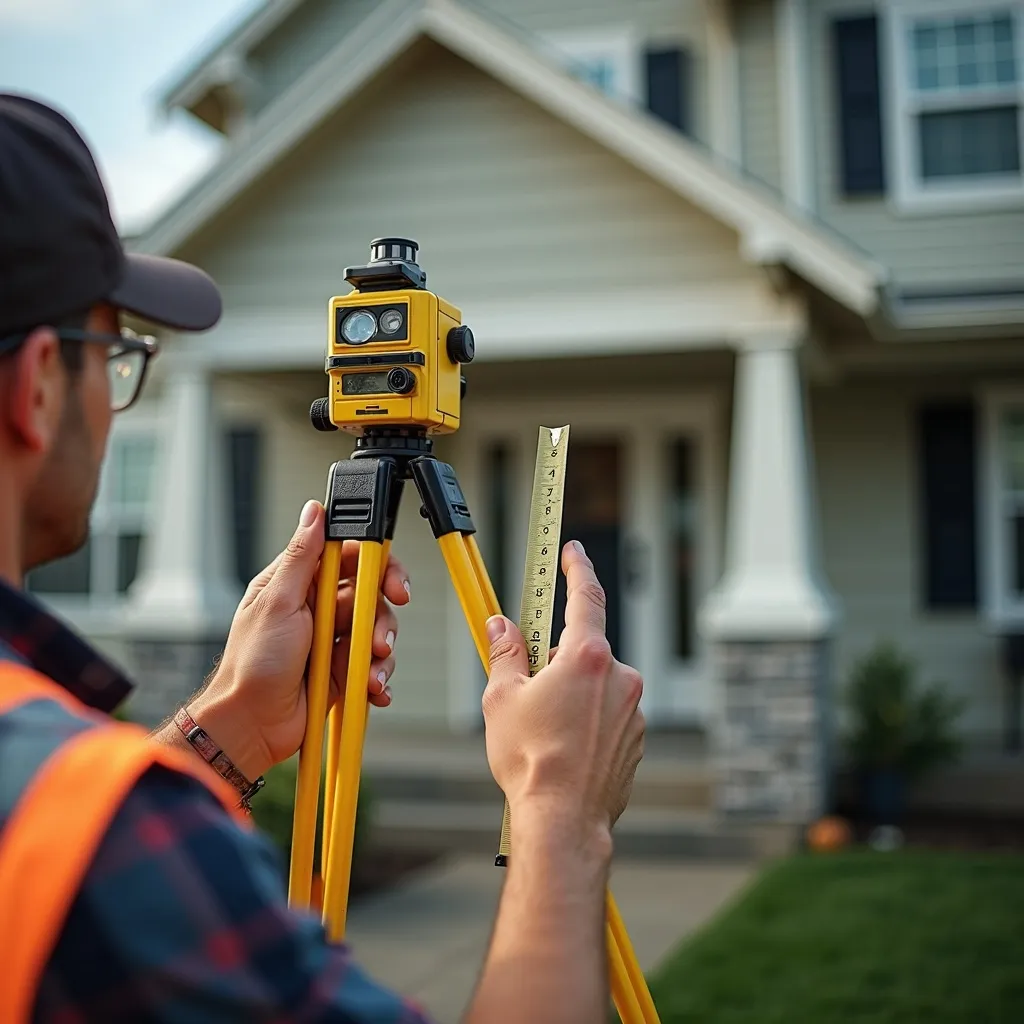
Comprehending the Reason of an Estate Appraisal
An estate evaluation serves as an vital instrument in ascertaining the worth of a deceased person's holdings. This process is vital for several reasons, chiefly to allow the just allocation of holdings among beneficiaries and recipients. It delivers a clear appraisal that can support in settling debts and taxes, ensuring that the property settlement fulfills legal obligations. Additionally, an reliable appraisal helps in minimizing disputes among family members, consequently advancing a more efficient change during what is often a tough time.
In addition, an property appraisal can also facilitate pinpointing and recording the assets for later generations. It sets a baseline value that can be turned to for potential future sales or tax purposes. At the end of the day, comprehending the intent of an valuation assessment stresses its significance in achieving honesty and equity in the oversight of a deceased person's estate, fostering ethical estate planning and execution.
Essential Elements Affecting Property Valuation
Various key factors significantly influence property valuation during an estate appraisal. Location and accessibility regularly establish a property's desirability, while the condition of the property itself may shape its overall worth. Additionally, market trends analysis offers insight into current economic conditions that influence property values.
Location and Easy Accessibility
Location and accessibility hold pivotal roles in determining property market value, guiding buyer interest and market patterns. Properties placed in sought-after neighborhoods, near amenities such as schools, shopping centers, and public transportation, generally attract higher prices. Furthermore, accessibility to major roadways and employment hubs enhances a property’s appeal, making it more appealing to potential buyers. Areas with low crime rates and good school districts commonly see increased demand, further elevating property values. Conversely, properties in remote locations or those with limited access to essential services may face decreased valuation. Understanding these factors allows sellers to strategically position their properties, enhancing marketability and securing optimal returns on investment.
Property State Evaluation
Beyond location and accessibility, the condition of a property substantially impacts its valuation. Key components comprise structural integrity, age, and maintenance history. A properly maintained property typically achieves a higher price, as buyers are often willing to pay a premium for move-in readiness. Conversely, properties needing major restoration work or upgrades may discourage prospective purchasers, resulting in lower offers. Moreover, improvements in critical systems—such as plumbing, electrical, and roofing—can enhance value, while ignoring these areas can cause value decline. A comprehensive property assessment not only pinpoints these factors but also provides a transparent picture for prospective clients, ultimately influencing the property's marketability and final sale price. Assessing the property's state is, consequently, a vital component of precise property valuation.
Market Patterns Examination
Market trends are instrumental in determining property valuation, molding buyer behavior and pricing strategies. Factors including local economic conditions, employment rates, and demographic shifts significantly affect market demand. Additionally, interest rates and financing availability influence how buyers consider property purchases. Seasonal trends frequently affect buyer activity, with certain periods seeing increased sales volumes. Furthermore, neighborhood developments, such as new amenities or infrastructure projects, can boost property desirability. Understanding these dynamics permits appraisers and property owners to adapt their strategies accordingly. By carefully tracking these trends, stakeholders can make well-informed decisions, ensuring that property valuations embody current market realities and enhancing potential returns. Ultimately, a thorough market trends analysis is necessary for effective estate appraisal.
How to Find a Skilled Appraiser
Picking a capable appraiser necessitates careful consideration to several key factors. Credentials and experience play an essential role, just as the appraiser's understanding of the community marketplace does. In addition, grasping the appraisal methodologies employed can greatly influence the exactness and trustworthiness of the home assessment.
Credentials and Experience
When locating a competent appraiser, it is vital to assess their credentials and experience, as these factors greatly shape the precision and trustworthiness of the appraisal. A certified appraiser typically holds an relevant designation from an established professional organization, such as the Appraisal Institute or the American Society of Appraisers. Additionally, substantial experience in the field, particularly with the type of property being appraised, is crucial. Prospective clients should ask about the appraiser's track record, including the number of appraisals completed and any areas of specialization. It's also beneficial to review ongoing training, which shows a dedication to keeping current with industry standards and practices. Collectively, these elements provide a well-rounded professional capable of delivering accurate appraisals.
Local Market Familiarity
Understanding neighborhood market characteristics is essential for selecting a competent evaluator, as their familiarity with the area can greatly impact the appraisal's reliability. An appraiser with thorough understanding of the community property sector will be better equipped to appraise property values based on recent sales, neighborhood trends, and economic indicators. It is advisable to seek out appraisers who have worked in the specific locality for several years, as they will possess insights into particular circumstances influencing property worth. Additionally, validating local certifications or enrollment in professional bodies can more thoroughly verify an appraiser's skill. Ultimately, choosing someone experienced with regional market specifics can contribute to a finely tuned and beneficial property valuation.
Assessment Technique Employed
The appraisal process carried out by a certified professional represents a vital component determining property appraisal. Appraisers regularly employ three core approaches: the comparative market analysis, the cost approach, and the income approach. The sales comparison approach reviews similar properties previously sold in the area, whereas the replacement cost method determines the cost of reconstructing the property minus depreciation. The revenue-based method is often applied for rental assets and computes anticipated income streams. When hiring an valuation expert, property owners must prioritize qualifications, encompassing certifications and expertise. It is equally important to assess their familiarity with local market trends and property types. A well-versed appraiser can deliver a comprehensive evaluation, guaranteeing accurate and beneficial property valuation for succession planning.
Ensure Your Property is Ready for an Appraisal
Getting a property ready for appraisal is vital for achieving an accurate valuation. Homeowners should start by making sure that the property is clean and clutter-free, which enables appraisers to see its full potential. Simple cosmetic improvements, such as fresh paint or minor repairs, can substantially improve appeal.
Moreover, it is recommended to obtain applicable documents, like previous appraisals, tax assessments, and property disclosures, as these provide significant context for the appraiser. Landscaping should also be tackled; nicely maintained gardens and lawns can create a excellent first impression.
To summarize, property owners should be prepared to provide a list of unique features and upgrades, as these elements may influence the overall value. By following these steps, property owners can facilitate an smoother appraisal process and potentially increase their estate's value.
Standard Estate Valuation Faults to Keep Away From
Multiple frequent blunders can hinder the estate assessment process and conceivably result in inaccurate valuations. One frequent blunder is neglecting to give complete and accurate property particulars. Fragmentary data can misrepresent the appraiser's comprehension, leading to miscalculations. Another blunder is not accounting for current market conditions and similar properties, which can greatly impact property values. Ignoring essential improvements or repairs also poses a challenge; appraisers must examine the property's existing status correctly.
Additionally, relying solely on online valuation tools can mislead owners, as these instruments often lack local market subtleties. Sentimental connection to the property may cloud judgment, resulting in unrealistic expectations concerning value. Finally, not hiring a certified appraiser can compromise the appraisal's integrity. By steering clear of these typical mistakes, property owners can guarantee a more accurate and advantageous estate appraisal.
Improve Your Property Value With These Tactics
Improving property value requires a well-planned strategy that encompasses both visual and practical improvements. First, enhancing curb appeal is critical; basic yard work, new paint, and tidy pathways can create a memorable initial impact. Inside, renovating kitchens and baths often yields the highest returns. Modern fixtures and energy-efficient appliances can draw in prospective purchasers.
Furthermore, organizing and presenting the home make it more inviting and allow prospective buyers to imagine themselves living in the space. Making small fixes, such as fixing leaky faucets or updating damaged floors, can also significantly enhance appeal.
Furthermore, incorporating smart home technology delivers a modern edge that numerous buyers desire. Finally, comprehending local market trends and pricing strategically can position the property positively. Through executing these approaches, property investors can enhance their asset's value and assure a more positive appraisal outcome.
Actions to Take After Your Assessment?
With methods for improving property value implemented, the next steps following an appraisal are vital. Property owners should initially assess the appraisal report thoroughly, guaranteeing they understand the valuation and any factors shaping it. If discrepancies or concerns present themselves, it is crucial to address them rapidly, perhaps through a conversation with the appraiser.
Next, owners should evaluate their monetary goals. Whether intending to sell, refinance, or keep the property, aligning strategies with the appraisal findings is critical. For those selling, using the appraised value can direct pricing strategies and marketing approaches effectively.
Additionally, homeowners could seek guidance from real estate specialists to understand emerging market trends, making sure they benefit from their property's worth. Finally, keeping up with continuous property enhancements and market situations can assist in maintaining or boost value in the long term, rendering the assessment a foundational tool in long-term property oversight and approach.
Typical Inquiries Explained
What Frequency Should I Get My Estate Appraised?
Specialists advise property appraisals every three to five years, or following substantial modifications, such as renovations or price variations. Consistent reviews guarantee property values accurately reflect current conditions, facilitating informed determinations for owners and potential buyers.
May I appeal an appraisal value I have reservations regarding?
Yes, try this an party can challenge an appraisal value they disagree with. This process generally includes furnishing proof supporting their argument, such as market data or physical condition, to the relevant authority or assessment panel for review.
What Files Do You Need for an Appraisal?
For completing an appraisal process, essential documents usually encompass property deeds, previous appraisals, tax assessments, renovation records, and any relevant photographs. These materials aid the appraiser in reliably determining the property's current market value.
What Timeframe Should You Expect for an Estate Appraisal?
A property estate assessment typically requires between one to three hours, depending on the property's intricacy and size. However, final deliverables may demand additional time for paperwork and review before provision to the client and completion.
Will an Appraisal Value Impact My Real Estate Taxes?
An appraisal value can markedly shape property taxes. Local tax authorities often use appraised values to establish tax assessments, meaning a higher appraisal may lead to increased property taxes, impacting the owner's economic burden.
Comments on “Discover Richmond Hill top Estate Appraisal for accurate estate appraisals from experienced valuation experts”